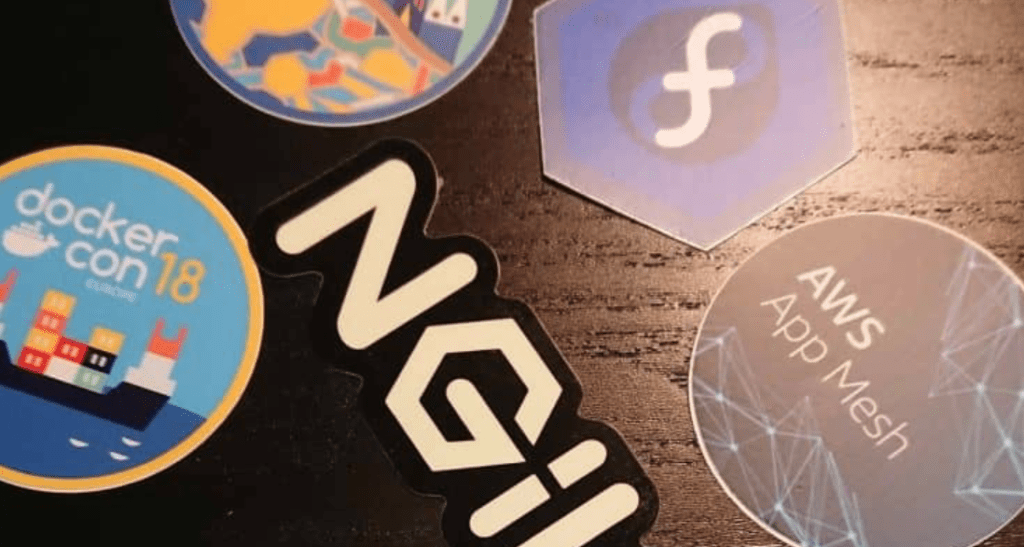
Aety attended DockerCon in Barcelona last week. Here are a few impressions.
Docker is the leading technology in Containers, which has received a lot of attention in recent years. The reason is that containers can help IT reduce costs through better utilization of hardware, efficient development, and fast time-to-market on the business side. All of which is hard to say no to.
With roots in open source and Unix/Linux, Docker has found widespread use, but the company has now also set its sights on organizations that are either lacking skills or are Windows-based, with various initiatives in the bag.
The carefully choreographed keynotes featured a mix of speeches from top management, interviews with customers, and demonstrations of upcoming features in Docker’s flagship product, Docker EE. All tied together by the indispensable teleprompter that kept the show moving.

Keynote highlights
Regardless of how you feel about theater in general, it was both entertaining and informative. Some interesting tidbits here:
- Docker Application Converter – Tool for migrating legacy apps, including Windows .NET.
- Open Sourcing Docker Compose for Kubernetes – now everyone can use Compose files to deploy to the Kubernetes cluster
- Docker Desktop Enterprise provides an integrated application for developing and deploying containers. On the server side, you can choose between Docker Swarm and Kubernetes
- Docker Assemble – which can generate images from source code
- Introducing CNAB – Cloud Native Application Bundles (In collaboration with Microsoft). Think msi packages for cloud applications. For the initiated, it provides an abstraction layer above Helm charts, Kubernetes, Terraform, Cloudformation etc.
Both Docker Assemble and Docker Compose -> Kubernetes are also functionality found in Red Hat’s container product OpenShift under slightly different names, so here too, vendors look at each other’s creations when creating product roadmaps 🙂
Docker and Microsoft
Docker and Microsoft have been working together for the past few years and the efforts are starting to bear fruit. The demos I saw of running mixed Windows/Linux environments showed that it’s not quite painless yet. But 2019 could be the year that containers really take off on Windows-based platforms. The benefits of standardizing the operating platform include known security and standard tools for things like logging.
On the desktop side, the collaboration is evident in that the default editor for Docker is Visual Studio Code – and for now, that option is not configurable.
What was missing
AWS was represented with a booth, but I found it remarkable that Docker hadn’t seen fit to invite them to keynotes. I didn’t notice Google/Kubernetes – maybe they were busy organizing KubeCon, which is taking place this week.
…and then the rest
In addition to the keynotes, I attended a number of talks, the best of which was undoubtedly Containerization Strategy, but there was also room for more specialized topics such as container persistence (where it was established that Docker can easily be used to run persistent services such as databases, as long as you remember to put data outside the container :)).
Finally, I must recommend the courses we attended: Docker Enterprise for Developers and Docker Enterprise for Operations. Each course is 2 intensive days with very knowledgeable instructors, which we got a lot out of.